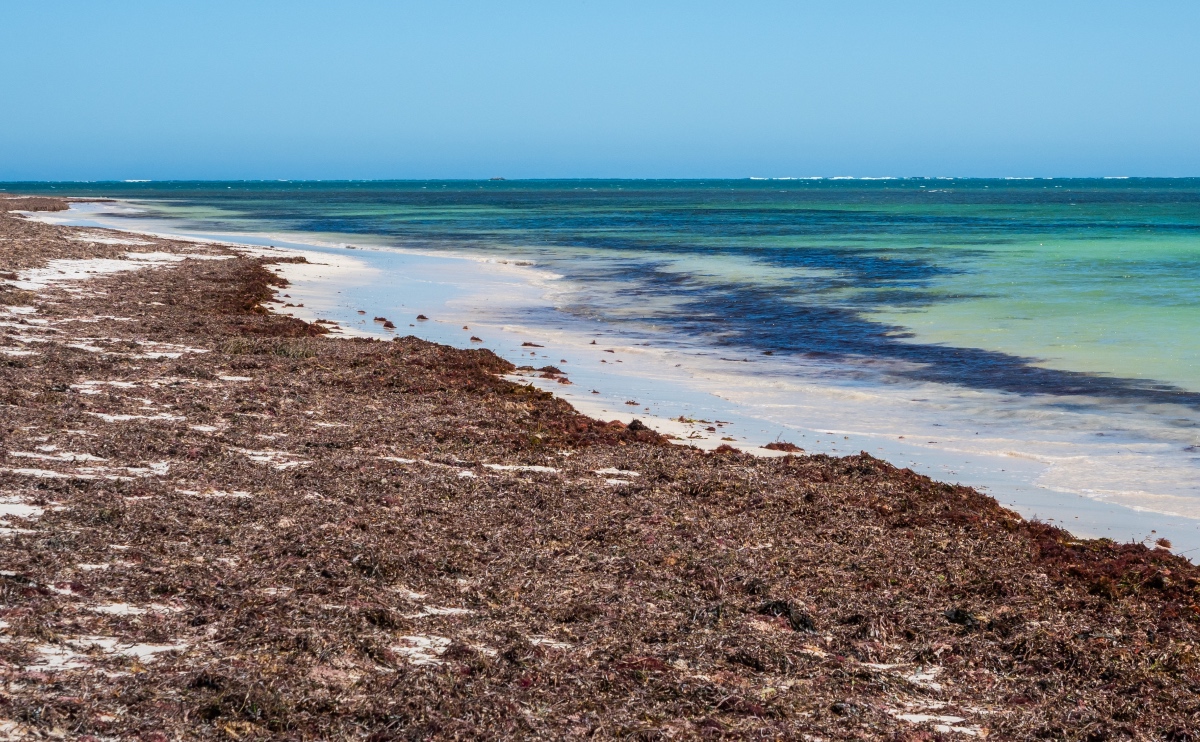
Florida’s beaches are under attack.
But not by hurricanes.
Not by sharks or jellyfish.
And not by another wave of spring breakers trying to shotgun White Claws at 10 a.m.
This invader is older.
It’s slimier.
And it smells like a science fair project gone horribly wrong.
It’s called sargassum, and if you’ve been anywhere near Florida’s coastline lately, you’ve probably seen it, maybe stepped in it, and almost certainly smelled it.
So what’s going on with this massive, stinky seaweed invasion—and what does it mean for the future of Florida’s beaches? Let’s dive in.
What Is Sargassum?
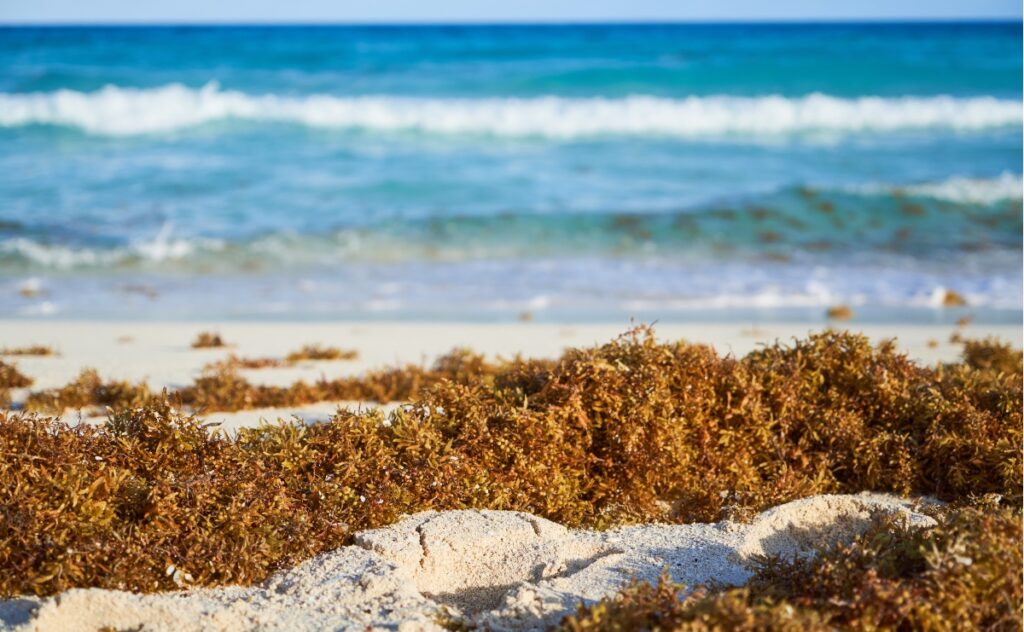
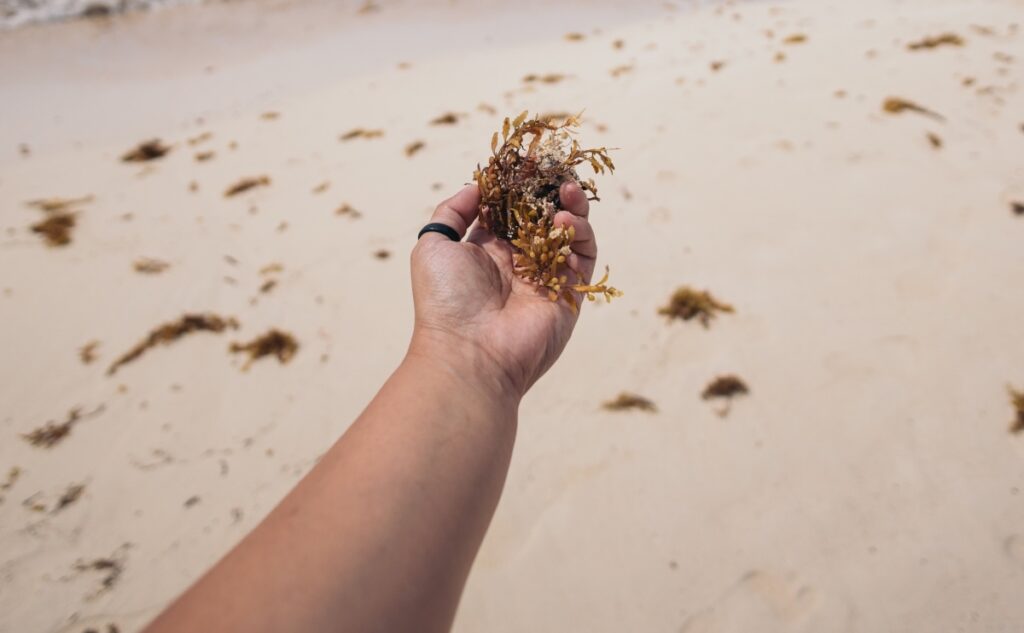
At first glance, sargassum looks like a nasty pile of sea junk dumped by the ocean. But it’s actually a type of brown algae—one of the only seaweeds that floats freely in the open ocean instead of attaching to the seafloor.
In its natural habitat, the Sargasso Sea in the Atlantic Ocean, sargassum plays a vital ecological role. It provides food and shelter for baby fish, crabs, shrimp, and even sea turtles. Entire miniature ecosystems thrive in its drifting mats.
The problem starts when these floating forests wash ashore in Florida. Instead of nurturing wildlife, the piles rot in the sun, releasing a smell that can turn paradise into something more like a rotten-egg omelet.
Where Is It Coming From—And Why Now?
Right now, a 5,000-mile-long seaweed superhighway is drifting across the Atlantic Ocean. Scientists call it the Great Atlantic Sargassum Belt, and it’s been growing at alarming rates.
Several factors are fueling this explosion:
- Warmer ocean temperatures → Climate change creates the perfect breeding ground for algae.
- Nutrient runoff → Fertilizer, sewage, and other runoff from the Amazon and Mississippi rivers supercharge seaweed growth.
- Changing currents and winds → Shifts in circulation patterns move sargassum closer to shore.
Together, these forces turn the Atlantic into an algae smoothie—and Florida’s beaches are right in its path.
According to the University of South Florida’s Optical Oceanography Lab, April 2025 saw record-breaking levels of sargassum in the eastern Caribbean and western Atlantic. The total mass was estimated at 31 million metric tons—40% higher than any previous monthly record.
Translation: 2025 is shaping up to be Florida’s worst sargassum season ever.
Why It’s a Problem on Land
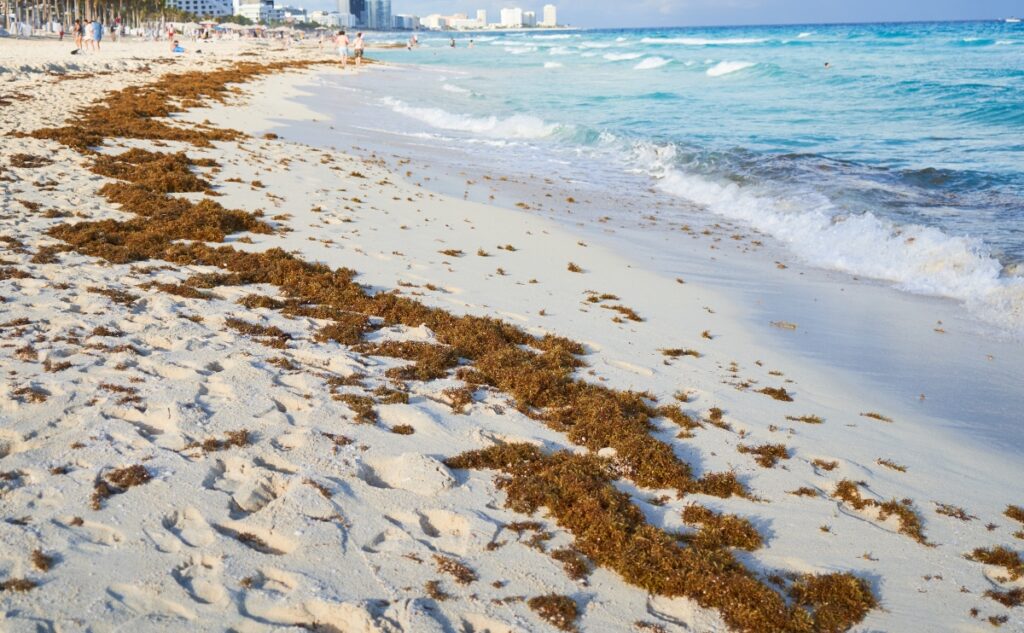
In the ocean, sargassum is a floating nursery. On land, it’s a mess.
When sargassum decomposes, it releases hydrogen sulfide gas, the same compound responsible for the “rotten egg” smell. For sensitive individuals, breathing this gas can cause headaches, nausea, and respiratory irritation.
It’s also bad news for tourism. No one books a Florida vacation dreaming of beaches that smell like compost piles. Some coastal cities have already reported drops in hotel bookings and visitor numbers when sargassum levels spike.
And then there are the turtles. Hatchlings often get trapped in mounds of seaweed, while heavy accumulations can smother nesting sites altogether—threatening one of Florida’s most beloved species.
The Economic and Environmental Impact
Cleaning up sargassum isn’t as simple as raking a few piles of seaweed.
In 2023, Miami-Dade County spent more than $3 million just to keep its beaches usable. Cleanup is now a daily task in many coastal communities, and the costs are expected to rise as blooms get worse.
But aggressive removal can create a new problem: heavy machinery damages delicate dunes and beach habitats. Cities are caught in a balancing act:
- Spend big to protect tourism and risk harming ecosystems
- Or leave the seaweed in place and risk losing visitors
Either way, the impact is both economic and environmental—and there’s no easy fix.
What’s Being Done About It?
Communities across Florida and the Caribbean are experimenting with different strategies:
- Manual and Mechanical Removal: Crews in Miami-Dade rake and collect seaweed daily. Fort Lauderdale composts it, turning a smelly nuisance into nutrient-rich mulch. Hallandale Beach moves it inland to decompose naturally away from swimmers.
- Composting and Repurposing: Some cities are exploring ways to recycle sargassum into fertilizer, biofuel, or building materials.
- Floating Barriers: Resorts in Mexico deploy offshore booms to block seaweed before it reaches shore. Palm Beach County considered this approach but backed off due to concerns about sea turtles, reefs, and rough surf.
Florida-based companies like Enviro-USA are working on stronger barriers that could eventually become part of the state’s toolkit. But for now, the main defense remains cleanup and composting.
What Should Florida Expect in 2025?
Here’s the outlook for beachgoers:
- Peak season runs from late spring through early fall
- The Atlantic side of Florida is most vulnerable (think Miami, Fort Lauderdale, Palm Beach)
- 2025 is already tracking as the worst sargassum year on record
If you’re planning a trip, it’s worth checking local beach reports before you go. And yes—maybe pack some nose plugs just in case.
Traveler’s Tips: How to Deal with Sargassum in Florida
If you’re planning a Florida beach vacation during peak sargassum season, here are some ways to avoid disappointment:
- Check Beach Reports Before You Go
Many counties and cities post daily beach conditions, including seaweed levels. Check local tourism board sites, county parks websites, or even hotel updates. - Choose Beaches Less Affected
Florida’s Gulf Coast beaches (like Clearwater, Siesta Key, and Fort Myers Beach) usually see less sargassum than the Atlantic side. If avoiding seaweed is a must, consider heading west. - Plan Around Peak Season
The heaviest sargassum usually arrives late spring through early fall. Visiting in the winter months can mean cleaner beaches and cooler temps. - Pick Hotels With Cleanup Crews
Many beachfront resorts on the Atlantic side pay for their own daily cleanup. Booking at a property that maintains its own shoreline can make a big difference. - Don’t Touch or Move Large Piles
Besides the smell, decomposing sargassum can irritate skin or cause breathing issues. Leave the cleanup to the professionals. - Explore Alternatives
If sargassum is bad during your trip, remember Florida has springs, rivers, and inland adventures that offer clear, refreshing escapes without the seaweed smell.
Frequently Asked Questions About Sargassum in Florida
Is sargassum dangerous to swim in?
Not usually. In the water, it’s more gross than harmful. But it can harbor jellyfish larvae that cause “sea lice” rashes, and decomposing piles onshore can irritate breathing.
What does sargassum smell like?
Rotten eggs. The smell comes from hydrogen sulfide gas released as the seaweed decomposes.
Which beaches in Florida are most affected?
Atlantic beaches like Miami, Fort Lauderdale, Palm Beach, and the Keys are hit hardest. Gulf Coast beaches are generally less affected but not immune.
Can it be used for anything useful?
Yes! Some cities compost sargassum for landscaping, and researchers are exploring uses in fertilizer, biofuel, and even building materials.
Will 2025 be worse than past years?
Unfortunately, yes. Scientists at USF report record levels in the Atlantic, and early-season growth suggests 2025 could be Florida’s heaviest sargassum year yet.The Bottom Line
Sargassum isn’t new—but the scale of the blooms is unprecedented. What was once a minor nuisance is now a full-blown environmental and economic challenge.
Florida will need smarter cleanup methods, innovative solutions, and more public awareness to tackle the problem. Because while sharks may scare people out of the water, seaweed is doing something even worse—scaring them off the beach entirely.